The short answer is that it depends where the scaffold sits. If any part of it stands on the public highway — the pavement or the road — you need a licence from the council. If the scaffold is entirely on your own land, you don't. That single distinction decides almost every job, and the rest of this guide walks through what it means in practice.
Scaffolding on a pavement or road
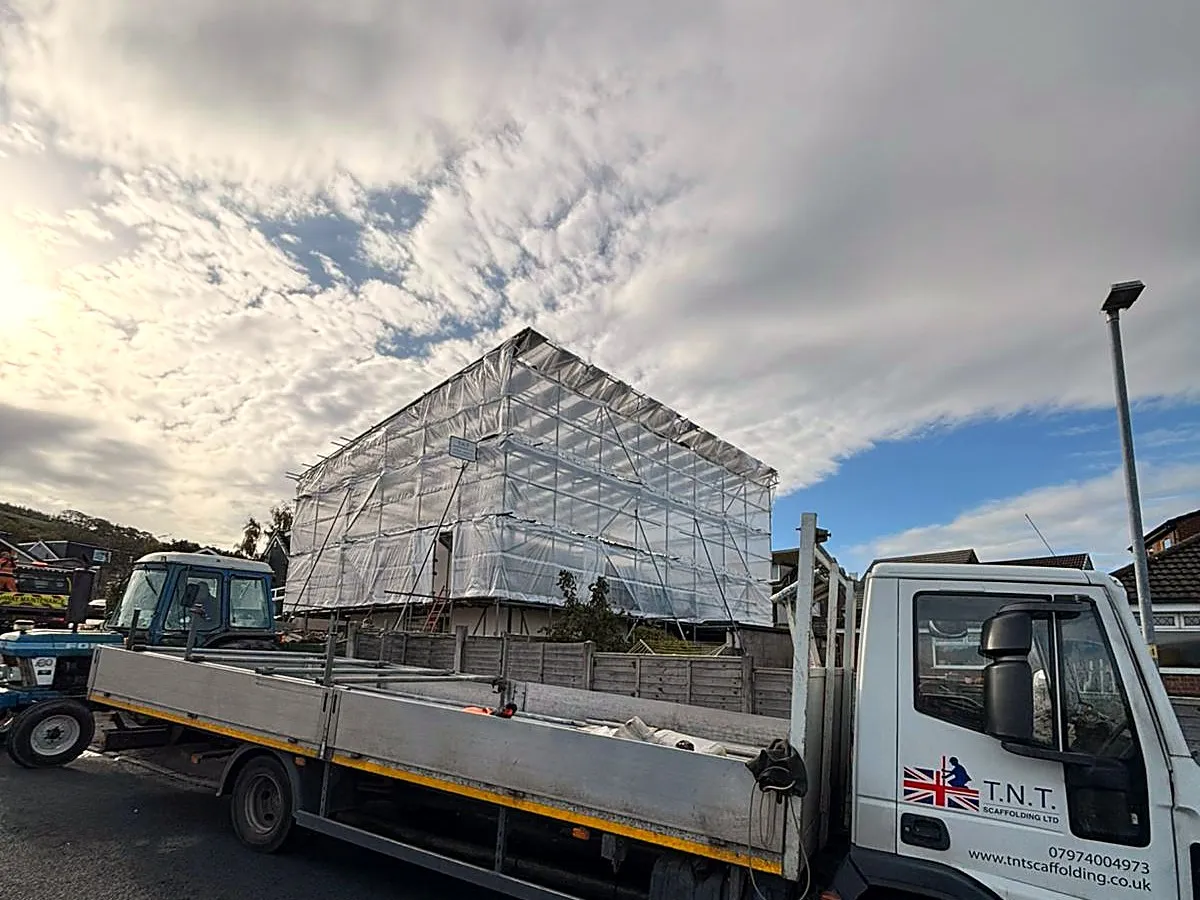
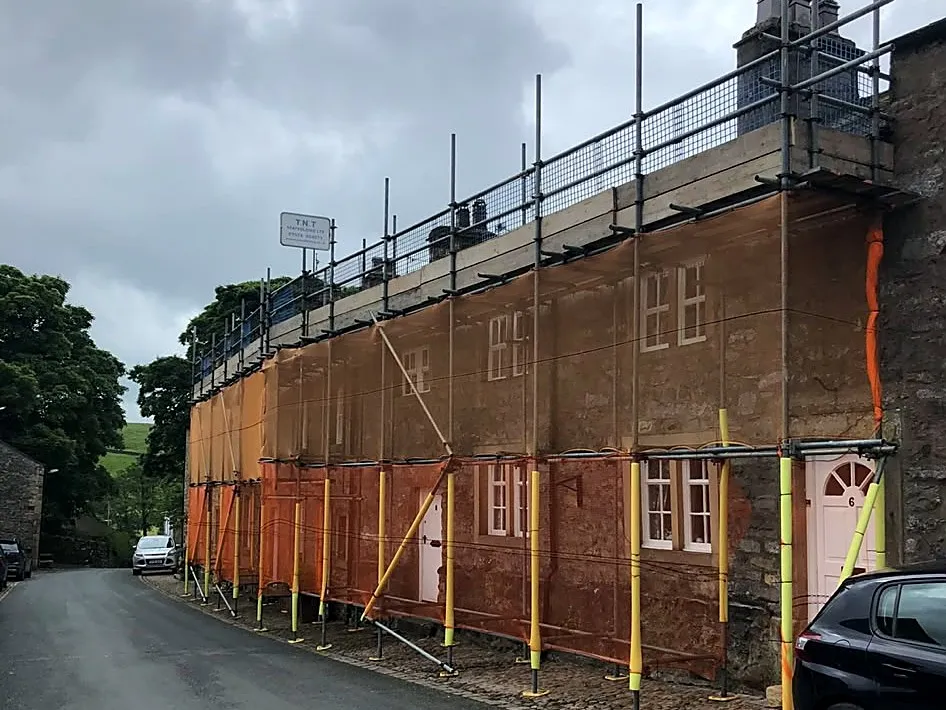
The moment any part of the scaffold stands on the public highway, the local highways authority — your council — requires a scaffold licence. This applies to a pavement, a grass verge that forms part of the highway, or the carriageway itself. The licence is granted for a set period and comes with conditions attached.
Those conditions are all about keeping the public safe as they pass. Expect requirements for proper lighting at night so the structure is visible, guarding or barriers around the base, and clear signage directing pedestrians safely around or through the scaffold. The council sets these terms, and they have to be met for the licence to stay valid.
On your own property
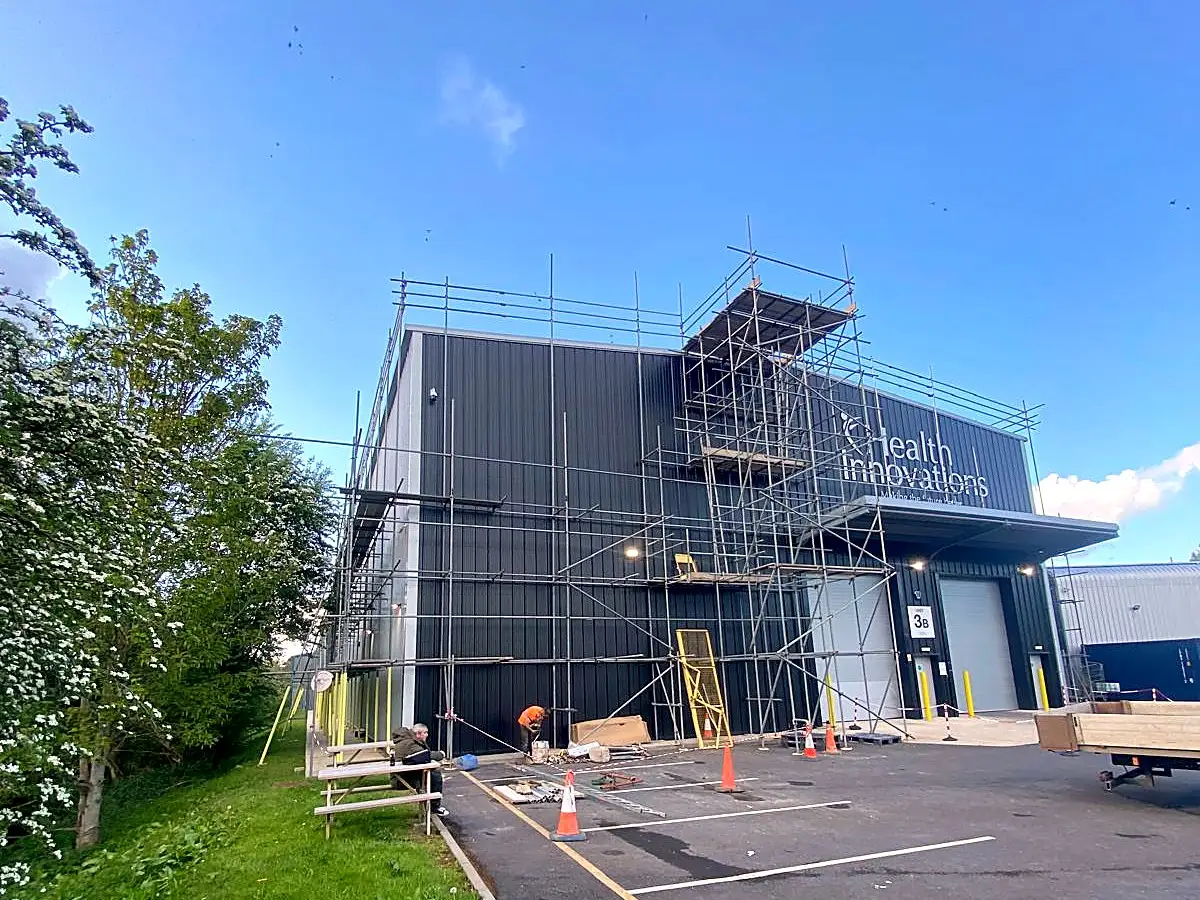
A scaffold that sits entirely on your own land does not need a licence. If it's erected on your driveway, in your garden, or on a private forecourt with no part touching the public highway, there's no council application to make. You're free to have the scaffold up for as long as the work needs it, without a highways licence in the picture.
Who arranges the licence?
Normally it's your scaffolding contractor who applies for the licence, not you. It's part of doing the job properly, and it sits with the people erecting the structure. At TNT we handle the whole thing — the application, the conditions the council sets, and the lighting, guarding and signage that go with them. You don't need to speak to the council yourself.
If the scaffold touches the public highway, it needs a licence. If it's on your own land, it doesn't.
What it costs and how long it takes
Fees and durations vary from one council to the next, so there's no single figure. What matters for your job is that a licence has to be applied for ahead of time — it isn't instant — so we factor it into the programme from the start. That way the paperwork is in place before the scaffold needs to go up, and the job doesn't stall waiting on it.
What we handle for you
- Applying for the scaffold licence
- Night-time lighting on the structure
- Guarding and barriers around the base
- Compliant pedestrian signage
- Notifying the council
- Keeping it inspected through the hire
The bottom line
You don't need to deal with the council yourself. TNT checks whether a licence is needed at the survey, sorts the paperwork, and meets every condition that comes with it — so the only thing you have to think about is the job the scaffold is there for. Get a quote or book a free survey and we'll take it from there.