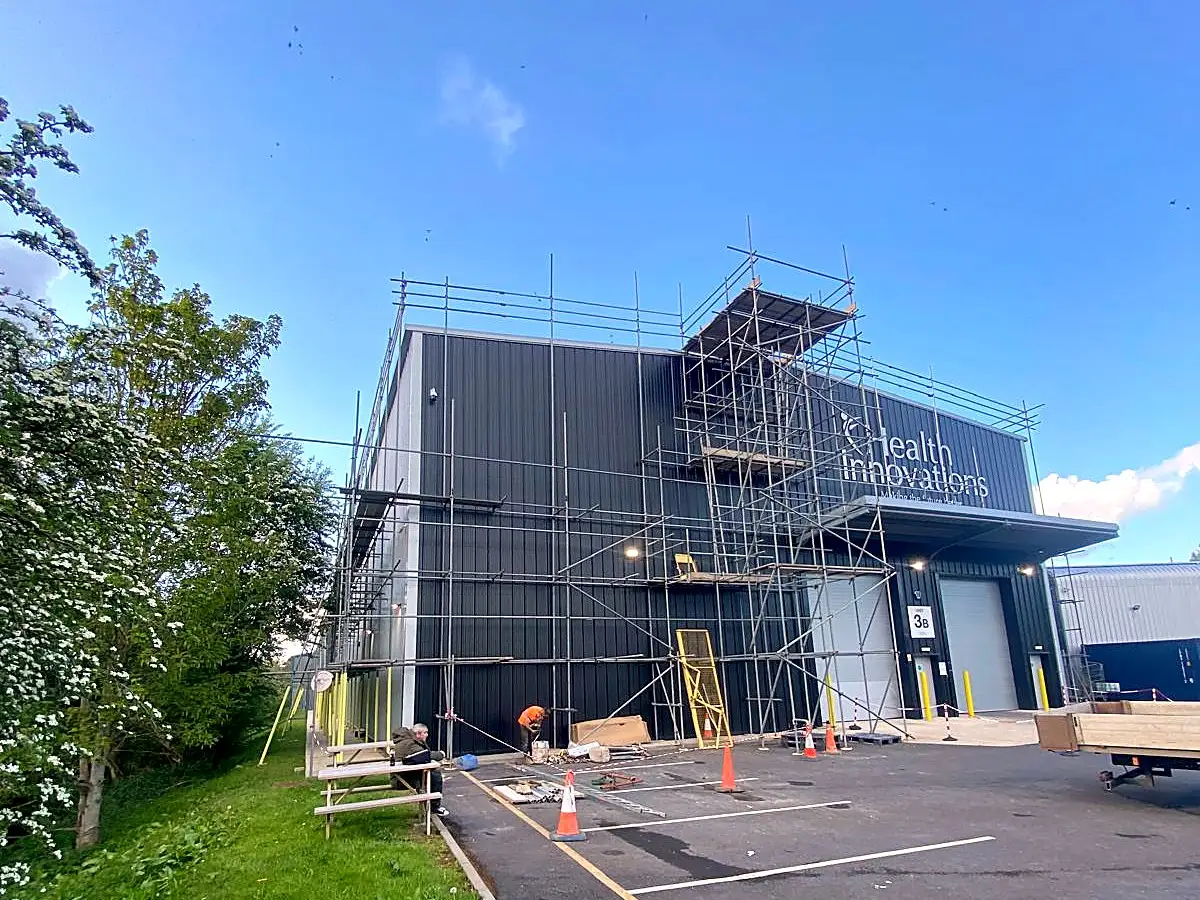
People often assume domestic and commercial scaffolding are two different trades. They're not. Both are held to exactly the same safety standards, and both should be designed, erected and inspected by competent people. The difference isn't quality — it's scale, documentation and how many parties are involved.
Domestic scaffolding
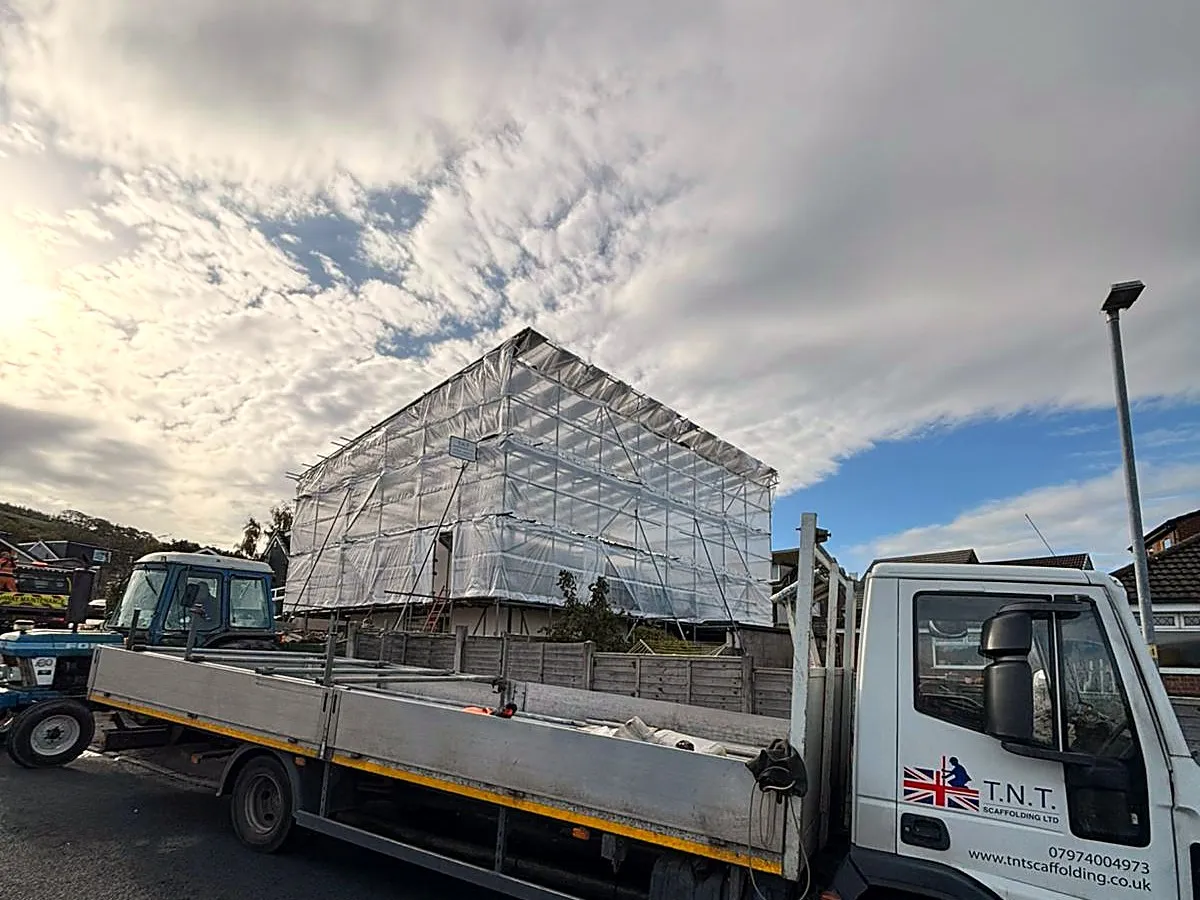
Domestic work is scaffolding on houses — re-roofs, repairs, extensions, rendering and chimney work. Most of it uses standard configurations: the height, the loadings and the shape of the job are well within recognised scope, so the scaffold goes up quickly and comes down cleanly.
What sets domestic work apart is that you usually deal directly with the homeowner. There's no main contractor in the middle, so the turnaround tends to be quicker and the communication more direct. It's also someone's home, so a good team keeps the site tidy, protects the garden and driveway, and stays considerate on a property that's still lived in.
Commercial and industrial scaffolding
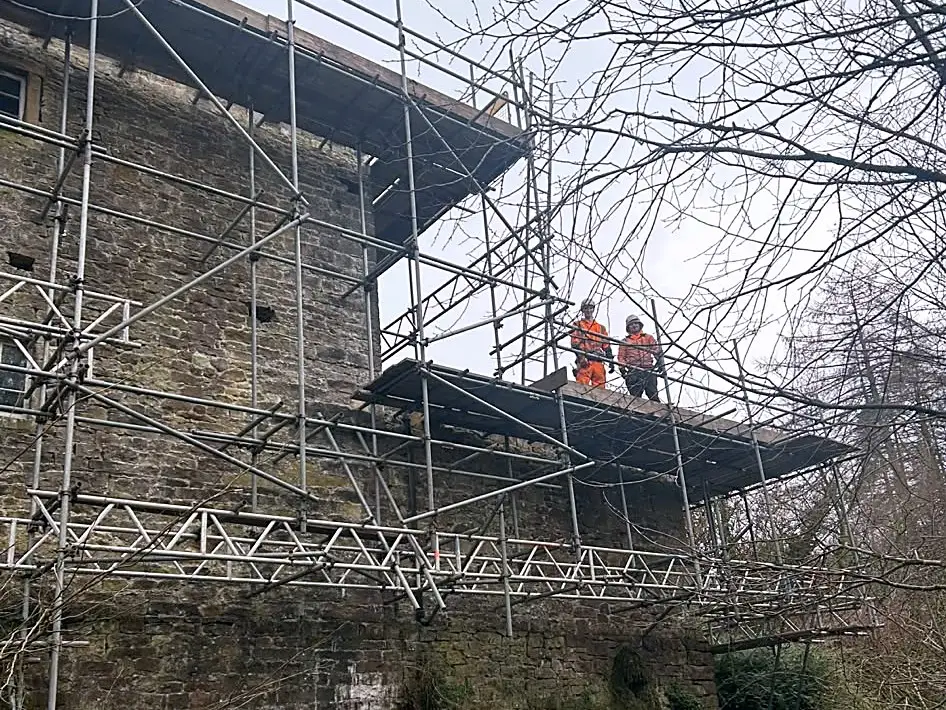
Commercial and industrial scaffolding is for contractors, developers, factories and larger buildings. The elevations are bigger, the programmes are longer, and there's far more design input and documentation behind the scaffold before anyone climbs on it.
On a commercial site you'll typically see RAMS and method statements, site inductions, and close coordination with other trades and a main contractor. The scaffold isn't a standalone job — it's one part of a wider programme, and it has to fit around everyone else working on the building.
It's not about the label on the job — it's about what the job actually needs.
What actually changes
Once you strip away the labels, the real differences between a domestic and a commercial scaffold come down to a handful of things:
- Scale and design complexity — bigger elevations and heavier loadings need more engineering
- Documentation — RAMS, design drawings and formal sign-off on larger jobs
- The inspection and coordination regime around the scaffold
- Programme and phasing — how the scaffold fits a longer build sequence
- Access, loading and shared sites — working alongside other trades
- Who you deal with — a homeowner directly, or a main contractor
Whatever the job, you still get
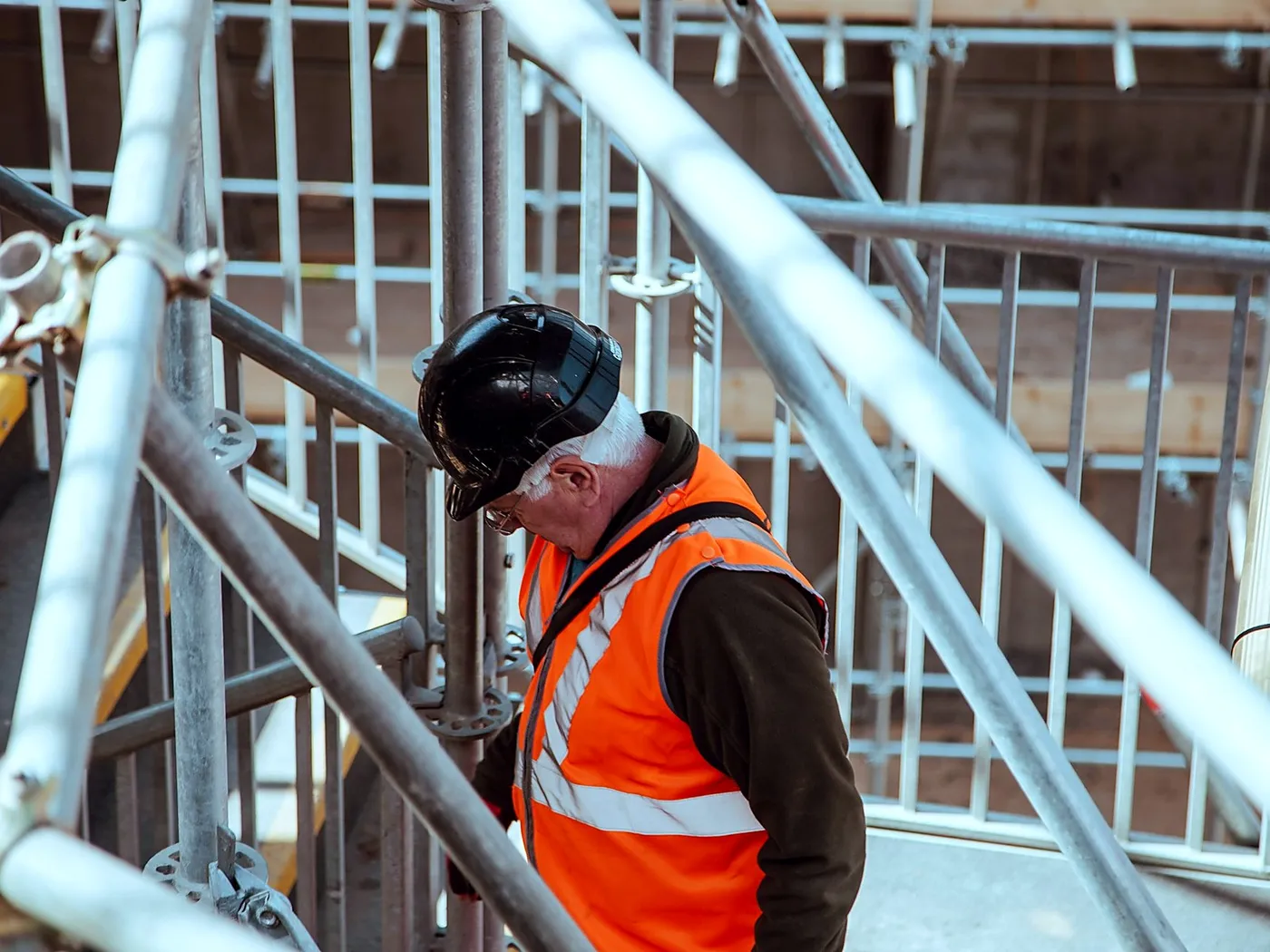
- A CISRS-carded team
- A scaffold designed correctly for the work
- A handover certificate (tag) before you use it
- Weekly recorded inspections for the duration of the hire
- The right edge protection and access throughout
- Full public liability insurance
Which do you need?
It comes down to the work, not whether the building is a house or an office. A large, complex job on a private home can need as much design and documentation as a commercial site — and a small commercial repair can be a straightforward standard scaffold. TNT does both, domestic and commercial, across Lancashire and North Yorkshire, so you don't have to work out which box your job falls into.
The bottom line
Tell us about the job and we'll scope the right scaffold for it — standard or bespoke, domestic or commercial. The standards are the same either way; it's our job to build access that fits the work and the site. Get in touch and we'll come back with a fair quote.